Medical Eye Exam
Comprehensive diagnostic evaluation for eye diseases and conditions.
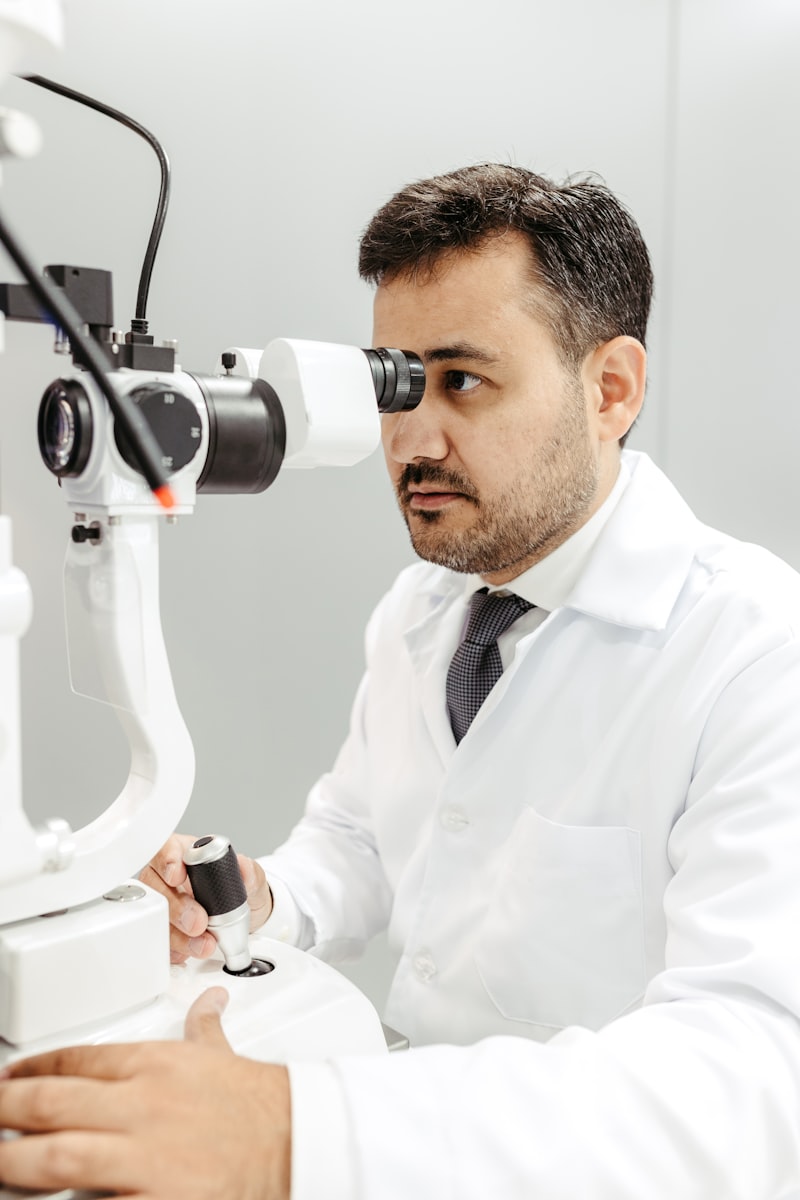
More than a vision check
A routine eye exam focuses on your prescription and how well you see. A medical eye exam goes deeper. We evaluate the structures inside and around your eyes, looking for signs of disease, inflammation, and other conditions that could threaten your vision.
Many serious eye conditions develop slowly and without obvious symptoms. By the time you notice a change in your vision, significant damage may have already occurred. Medical eye exams are designed to catch these issues early, when treatment is most effective.
Whether you have a known eye condition or simply want to stay ahead of potential problems, a medical eye exam gives you and your doctor a complete picture of your eye health.
Routine vs. Medical Eye Exam
Routine Eye Exam
Focuses on vision correction. Determines your glasses or contact lens prescription. Typically covered by vision insurance.
Medical Eye Exam
Focuses on eye health. Evaluates for disease, injury, or other medical conditions affecting the eyes. Often covered by medical insurance when a diagnosis is involved.
Conditions we detect and manage
Your eyes can reveal a lot about your overall health. A medical eye exam can identify or monitor a wide range of conditions.
Glaucoma
Often called the "silent thief of sight," glaucoma damages the optic nerve gradually without noticeable symptoms. Early detection through pressure testing and optic nerve evaluation is critical to preventing irreversible vision loss.
Macular Degeneration
Age-related macular degeneration (AMD) affects the central part of the retina, making it harder to read, drive, and recognize faces. We use advanced retinal imaging to detect even the earliest changes.
Cataracts
Cataracts cause the natural lens of the eye to become cloudy over time, leading to blurred vision, glare, and difficulty seeing at night. We monitor progression and refer for surgery when the time is right.
Inflammatory Conditions
Uveitis and other inflammatory eye diseases can cause redness, pain, and vision changes. These conditions may be linked to autoimmune disorders and require prompt diagnosis and targeted treatment.
Proactive eye health
We do not wait for problems to get worse. Our approach is to identify risks early, monitor changes closely, and act before your vision is compromised.
Early Detection
Many eye diseases have no early symptoms. Regular medical exams catch glaucoma, macular degeneration, and diabetic eye disease before they cause permanent damage.
Ongoing Monitoring
For patients with existing conditions, we track changes over time using advanced imaging and testing. This lets us adjust treatment before things progress.
Coordinated Care
We work with your primary care doctor and specialists to manage systemic conditions that affect your eyes, including diabetes, high blood pressure, and autoimmune diseases.
What to expect during your exam
Health History Review
We discuss your symptoms, medical history, medications, and any concerns you have about your eyes or vision.
Diagnostic Testing
We use advanced imaging and testing to evaluate your eye pressure, visual field, retinal health, and more. This may include dilation, OCT scans, and retinal photography.
Comprehensive Evaluation
The doctor examines the front and back of your eyes using specialized instruments, looking for any signs of disease or abnormality.
Discussion and Plan
We review our findings with you, explain what we see, and create a treatment or monitoring plan tailored to your needs.
Concerned about your eye health?
Schedule a medical eye exam and let our team give you a thorough evaluation.
Book an Appointment