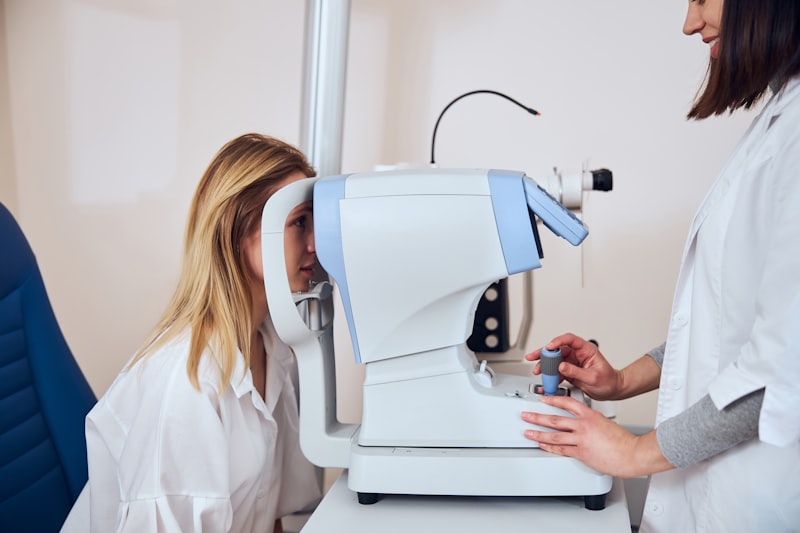
Why diabetic eye exams matter
High blood sugar damages the tiny blood vessels in your retina over time. This condition, called diabetic retinopathy, often develops without any noticeable symptoms in its early stages. By the time you notice blurry vision, floaters, or dark spots, the disease may have already caused significant damage.
That is why regular diabetic eye exams are so important. They allow us to detect changes in your retina long before you experience symptoms, giving us the best chance to preserve your vision.
The American Diabetes Association recommends a comprehensive dilated eye exam at least once a year for all patients with diabetes. Depending on your specific situation, we may recommend more frequent visits.
Did you know?
- Diabetic retinopathy can begin within the first few years of a diabetes diagnosis
- Early-stage retinopathy has no symptoms you would notice on your own
- With early detection, up to 95% of severe vision loss from diabetes can be prevented
- Both Type 1 and Type 2 diabetes put you at risk for diabetic eye disease
Understanding diabetic retinopathy
Diabetic retinopathy progresses through stages. Knowing where you stand helps us create the right plan to protect your vision.
Non-Proliferative Retinopathy
In the early stages, small blood vessels in the retina weaken and develop tiny bulges called microaneurysms. These may leak small amounts of fluid or blood into the retina.
At this stage, you probably will not notice any vision changes. But we can see these changes during a dilated exam and with retinal imaging. Close monitoring and good blood sugar control are key.
Proliferative Retinopathy
As the disease progresses, the retina begins growing new, abnormal blood vessels. These fragile vessels can bleed into the eye, cause scar tissue, and lead to retinal detachment.
This stage requires more urgent intervention. Treatment options include laser therapy and referral for injections or surgery. Early detection at the non-proliferative stage is the best way to prevent reaching this point.
How we monitor your eyes
We use a combination of clinical examination and advanced imaging to get the most complete picture of your retinal health.
Dilated Eye Exam
Eye drops widen your pupils so we can see the full retina, optic nerve, and blood vessels in detail. This is the gold standard for diabetic eye screening.
Retinal Imaging
High-resolution photographs of your retina give us a detailed baseline and allow us to compare changes over time with precision.
OCT Scans
Optical coherence tomography creates cross-sectional images of your retina, helping us detect swelling, fluid, and structural changes that may not be visible during a standard exam.
Trained in diabetic retinopathy management
Our doctors have extensive experience managing diabetic eye disease, developed through years of clinical training at the VA Medical Center and Kaiser Permanente. These high-volume settings provided exposure to the full spectrum of diabetic retinopathy, from early-stage monitoring to advanced cases requiring urgent referral.
That background means you are getting care informed by thousands of patient encounters. Our doctors understand how diabetes affects the eye at every stage and work closely with your primary care team to coordinate your overall health management.
Stay ahead of diabetic eye disease
If you have diabetes, regular eye exams are one of the most important things you can do to protect your vision. Schedule your diabetic eye exam today.
Schedule Your Exam