Comprehensive Eye Exam
A thorough evaluation of your vision and overall eye health using the latest diagnostic technology.
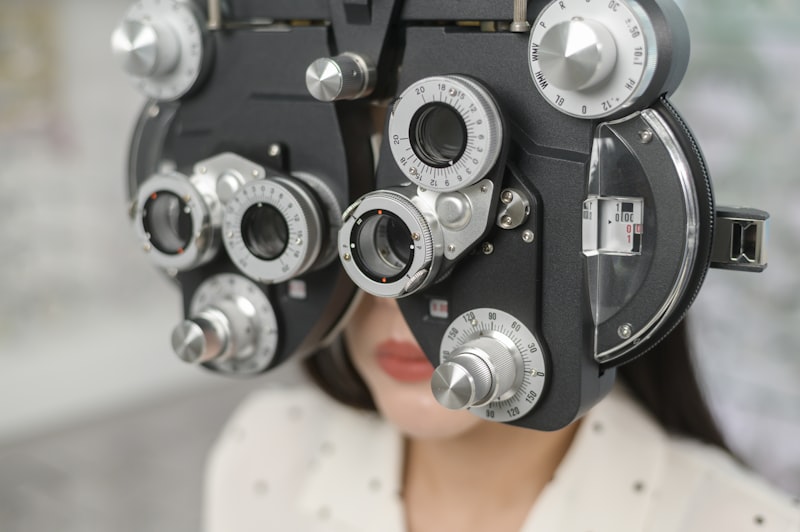
What to expect during your exam
A comprehensive eye exam is much more than reading letters on a chart. It is a thorough evaluation of your entire visual system and the health of your eyes. Many serious conditions, including glaucoma, macular degeneration, and diabetic eye disease, have no noticeable symptoms in the early stages.
A comprehensive exam is the best way to catch these problems before they cause permanent damage. We use advanced diagnostic technology to get the complete picture of your eye health.
What we check
Every comprehensive exam covers six key areas to ensure nothing is missed.
External Eye Exam
We carefully examine the external structures of your eyes, including the whites, iris, pupils, eyelids, and eyelashes to identify signs of infection, inflammation, and dry eye disease.
Internal Eye Exam
Using specialized instruments and often dilation, we examine the retina and optic nerve to detect macular degeneration, diabetic retinopathy, retinal tears, and glaucoma.
Visual Function
We evaluate depth perception, color vision, peripheral vision, and pupil response to light. These tests identify neurological conditions and visual processing issues.
Glaucoma Testing
We measure intraocular pressure as part of glaucoma screening. Elevated pressure is a major risk factor for this condition that causes irreversible vision loss if not detected early.
Visual Acuity
We measure how clearly you see at various distances and test different lens combinations to determine your best possible prescription for glasses or contacts.
Health History Review
We review your full medical history because systemic conditions like diabetes, high blood pressure, and autoimmune disorders can significantly affect your eye health.
Optomap Ultra-Widefield Retinal Imaging
At Everyday Eye Care, optomap retinal imaging is our standard of care for every patient. This advanced technology captures a 200-degree view of your retina in less than half a second, without the need for uncomfortable dilation drops in most cases. It allows us to detect early signs of disease that might not be visible during a traditional exam.
Early detection is everything. Conditions like diabetic retinopathy, macular degeneration, retinal tears, and glaucoma can all be caught sooner with optomap imaging, often before you notice any symptoms.
Pasco & Hermiston
Our Pasco and Hermiston locations are equipped with the optomap Monaco Pro 2, the most advanced ultra-widefield retinal imaging system available. In a single session, it captures:
- + 2 color retinal photographs for detailed surface analysis
- + 1 OCT raster scan for cross-sectional views of retinal layers
- + 1 fundus autofluorescence image to detect metabolic changes in the retina
This combination gives us an incredibly detailed picture of your retinal health from the surface all the way through to the choroid.
Sunnyside
Our Sunnyside location is equipped with the optomap Daytona, which captures the same ultra-widefield 200-degree retinal image for comprehensive screening. It provides excellent imaging for routine exams and early disease detection.
Why optomap matters
- Fast and comfortable 200-degree capture in under half a second. No dilation needed in most cases.
- Early disease detection Catches diabetic retinopathy, macular degeneration, and retinal tears before symptoms appear.
- Track changes over time Digital records let us compare images year to year to catch even the smallest changes.
Who needs the Rabin CCT?
- Pilots and aviation professionals seeking FAA medical certification. As of 2025, the FAA requires computerized color vision testing for all new applicants.
- Military personnel who need documented color vision testing for service requirements or specialty qualifications.
- Law enforcement, firefighters, and transportation workers with occupational color vision requirements.
- Anyone who suspects color vision deficiency and wants a precise, quantitative assessment rather than a simple pass/fail result.
Rabin Cone Contrast Test (CCT)
We offer the Rabin Cone Contrast Test for patients who need a precise, quantitative evaluation of their color vision. Unlike traditional Ishihara plate tests that give a simple pass or fail, the Rabin CCT measures the contrast sensitivity of each individual cone type in your eye: red (L-cone), green (M-cone), and blue (S-cone).
The test is computerized and takes about 5 minutes per eye. It generates a detailed score for each cone class, which tells us not only whether a color vision deficiency exists but also its exact type and severity. This level of precision is critical for occupational requirements where a simple pass/fail is not enough.
The Rabin CCT is one of the FAA-approved computerized color vision tests, meeting the current regulatory standards for pilot medical certification. If you need this test for FAA, military, or any occupational requirement, call any of our locations to schedule.
Why annual exams matter
The American Optometric Association recommends comprehensive eye exams every year for adults and children. Many eye diseases develop slowly and without symptoms. By the time you notice a change in your vision, significant damage may have already occurred.
Annual exams are your best defense against preventable vision loss. They also help us track changes over time, so we can adjust your care as your needs evolve.
Quick Facts
- Allow about 60 minutes for a full exam
- Recommended annually for all ages
- Most vision and medical insurance accepted
- All ages welcome, from children to seniors
Bring to your appointment
- + Current glasses or contact lenses
- + Insurance card(s)
- + List of current medications
- + Any questions about your vision or eye health
Frequently Asked Questions
How often should I get an eye exam?
What should I bring?
How long does it take?
Do you dilate eyes?
When was your last eye exam?
If it has been more than a year, it is time to schedule. We make the process easy and thorough, so you can feel confident about the health of your eyes.
Schedule Your Exam